
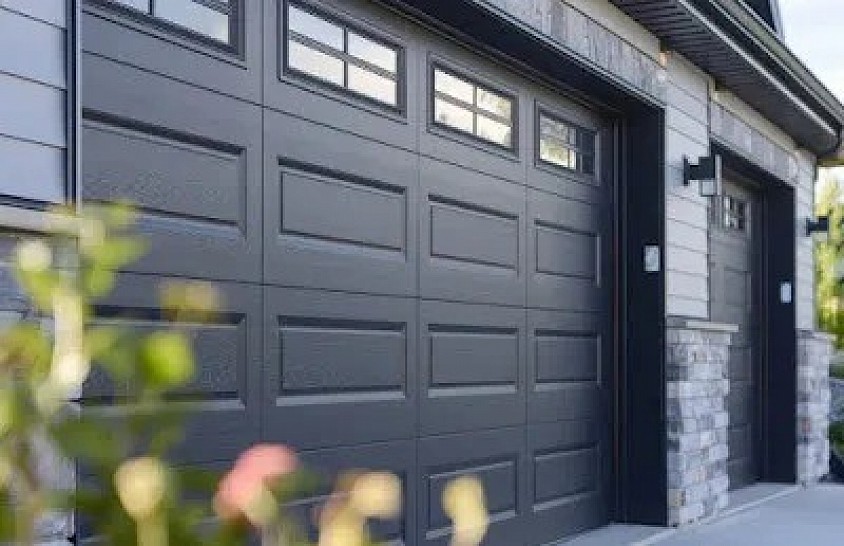
Selecting the Right Garage Door Supplier: Materials, Safety, and Seasonal Care
1. Understand local climate demands
Garage doors in North Texas face heat, sun exposure, gusty storms, and seasonal temperature swings. Materials and finishes should be chosen with these realities in mind. Galvanized steel resists warping and offers dependable durability, while aluminum provides corrosion resistance and lighter operation. Composite and fiberglass options can mimic woodgrain without the upkeep. Ask suppliers about UV-stable finishes and weather seals designed to stand up to intense sun and sudden downpours common in the region.
2. Evaluate insulation and energy efficiency
Insulated doors help keep garages cooler in summer and more temperate in winter, which supports comfort and can reduce strain on adjacent living spaces. Insulation also helps with noise reduction, a benefit for attached garages or homes near busy streets. When comparing models, look for door construction that pairs sturdy panels with effective thermal barriers, and ask how the edges, bottom seal, and joints maintain a tight envelope over time.
3. Prioritize safety features
Safety should never be an afterthought. Modern doors and openers integrate pinch-resistant panel designs, tamper-resistant brackets, and sensors that reverse when an obstruction is detected. A reliable torsion system, properly balanced hardware, and reinforced tracks contribute to smoother, safer movement. Confirm that products meet recognized safety standards and that installation guidance aligns with manufacturer specifications.
4. Consider curb appeal and customization
A garage door is a large architectural element that can elevate a home’s first impression. Style choices range from clean, contemporary flush panels to carriage-house looks with decorative hardware. Window inserts add natural light; frosted or laminated glass offers privacy and resilience. Color-matching to trim or contrasting for emphasis are both effective strategies. A supplier with a wide design library, finish samples, and visualization tools helps you dial in the perfect look.
5. Ask about durability and maintenance
Long-term value depends on how a door ages. Powder-coated hardware, robust hinge sets, and high-cycle springs extend longevity. Weatherstripping around the jambs and a pliable bottom seal keep out dust, pests, and moisture. Routine maintenance—light lubrication of rollers and hinges, cleaning tracks, and periodic balance checks—protects performance. A supplier who provides clear maintenance guidance and quality components supports fewer headaches later.
6. Verify warranty support and parts availability
A strong product warranty is only as good as the parts pipeline behind it. Ask how long common components are stocked and how quickly replacements can be sourced. Clarify what coverage applies to the door, hardware, and finish. Reliable warranty support signals a supplier that stands behind its offerings and helps shorten downtime if something goes wrong.
7. Focus on quiet, smooth operation
Quiet operation matters, especially for bedrooms above or adjacent to the garage. Rollers with precision bearings, well-aligned tracks, and vibration-dampening mounts help reduce noise. Insulated doors often operate more quietly due to their solid cores. A demonstration of door operation can reveal differences in sound and smoothness you might not notice in spec sheets.
8. Strengthen security and convenience
Security-conscious features include sturdy locking mechanisms, reinforced center stiles, and robust track assemblies. Consider options that help resist forced entry and maintain alignment under stress. Convenience enhancements—such as durable weather seals, smart-compatible hardware, or battery backup in openers—can improve daily use and resilience during power interruptions.
9. Plan for professional installation standards
Proper site measurement, track plumb and level, spring calibration, and opener alignment are essential. Even premium doors can underperform if installation corners are cut. Look for suppliers who emphasize precise prep work, clear timelines, and post-install walkthroughs that review operation, safety features, and basic upkeep.
10. Choose a knowledgeable local partner
Local expertise brings insight into neighborhood styles, HOA preferences, and weather-related considerations. A knowledgeable team can help you compare materials, finishes, and reinforcements that fit Mesquite homes and conditions. When discussing your project, referencing a trusted local resource such as a MESQUITE GARAGE DOOR COMPANY can streamline decisions, ensure region-appropriate recommendations, and support responsive follow-up if questions arise.
11. Prepare for seasonal care
Before summer heat peaks, inspect weatherstripping for brittleness and confirm that seals remain flexible. In storm seasons, ensure tracks are free of debris and fasteners are snug. In cooler months, check that lubricants remain effective and that the door balance is maintained. A simple seasonal checklist protects performance and can catch small issues before they become costly repairs.
12. Weigh total value over lowest price
The most satisfying outcomes blend design, function, durability, and dependable support. Weigh the full package—materials, hardware quality, finish resilience, safety features, warranty clarity, and installation standards. Choosing a well-rounded solution delivers smoother operation, stronger curb appeal, and fewer long-term surprises.
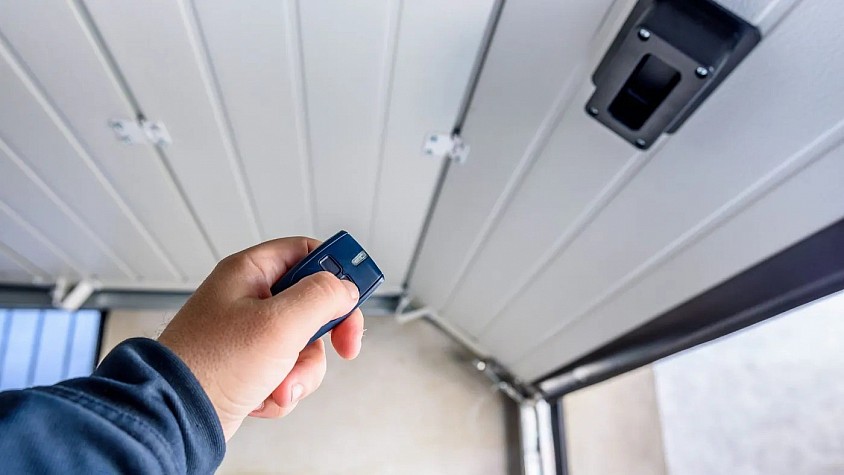
Choosing the Right Garage Door Solutions for Mesquite Homes
A garage door does far more than open and close; it protects your vehicles, influences curb appeal, and affects energy efficiency and day-to-day convenience. In a community like Mesquite, where summer heat, quick storms, and active households are common, the right door and dependable upkeep make a noticeable difference. Here are practical considerations every homeowner should weigh when planning installation, upgrades, or routine attention for long-term performance and peace of mind.
1. Match materials to local climate
Steel doors offer durability and low maintenance, while aluminum can help reduce weight for smoother operation. Wood provides traditional charm but needs vigilant sealing against moisture and heat. Composite and fiberglass styles blend resilience and aesthetic versatility. Think about sun exposure, neighborhood conditions, and how often the door is used to strike the right balance among strength, upkeep, and appearance.
2. Insulation improves comfort and efficiency
Insulated panels help moderate temperature swings inside the garage, which can protect stored items and even impact adjacent rooms. Look for multi-layer construction and tight perimeter seals. A well-insulated door can reduce heat transfer, limit noise from the street, and create a more comfortable workspace if you use the garage for hobbies or exercise.
3. Hardware quality affects longevity
Tracks, rollers, hinges, and bearings should be sturdy, aligned, and properly lubricated. Nylon rollers run quieter than metal, and heavy-duty hinges support smoother travel for taller or wider doors. Corrosion-resistant hardware is a smart choice in regions with humidity and sudden downpours. Quality components reduce strain on the opener and extend system life.
4. Safety features matter
Modern systems incorporate photo-eye sensors, auto-reverse mechanisms, and pinch-resistant panel designs. Test safety functions regularly by checking sensor alignment and ensuring the door reverses when encountering resistance. A balanced door that can be lifted manually without excessive force indicates springs and cables are doing their job correctly.
5. Smart technology elevates convenience
Wi‑Fi–enabled openers let you control and monitor access from a smartphone, set schedules, and receive activity alerts. Battery backup can keep the door operating during outages. Consider quiet belt-drive systems if bedrooms sit above or beside the garage. Lighting upgrades, keypads, and multi-car remote programming round out a dependable, user-friendly setup.
6. Springs and cables require careful attention
Torsion and extension springs counterbalance the door’s weight. When these components wear, you may notice uneven lifting, jerking motion, or loud creaks. Frayed cables, gaps in springs, or misaligned drums are warning signs. Because springs are under tension, specialized tools and training are essential for adjustments or replacements.
7. Weatherproofing protects the investment
Bottom seals, side weatherstripping, and top caps help block dust, rain, and pests. In Mesquite’s fast-changing weather, intact seals also reduce drafts and protect opener electronics. Inspect for cracking or gaps along the edges, and replace worn rubber or vinyl before seasonal shifts.
8. Regular tune-ups save money and hassle
A periodic check can include tightening fasteners, lubricating moving parts with the right product, testing balance, and verifying opener force limits. Catching minor issues early—like a misaligned track or a worn roller—can prevent a sudden breakdown and preserve door alignment and panel integrity.
9. Style and finish enhance curb appeal
Raised, carriage, and contemporary flush designs can complement brick, stone, or siding. Window inserts bring natural light; frosted or tinted options maintain privacy. Durable finishes and UV-resistant coatings help preserve color under Texas sun. Consider how hardware accents and panel lines echo architectural details of the home.
10. Local knowledge benefits homeowners
Regional experience helps address soil movement near driveways, storm-driven debris, and heat-related expansion. A professional familiar with neighborhood conditions can recommend door thickness, hardware ratings, and opener configurations that stand up to daily use and seasonal extremes, streamlining decisions and long-term maintenance planning.
For homeowners seeking prompt diagnostics, secure operation, and long-lasting performance, scheduling timely inspections and responsive service for issues like off-track doors, worn rollers, noisy operation, or opener errors is a practical strategy. Whether you are considering a new installation, an upgrade, or routine adjustments, paying attention to safety, materials, and proper setup ensures smooth, quiet operation year-round. When unexpected issues occur, look for local expertise in **garage door repair mesquite** to keep everything moving reliably and safely.
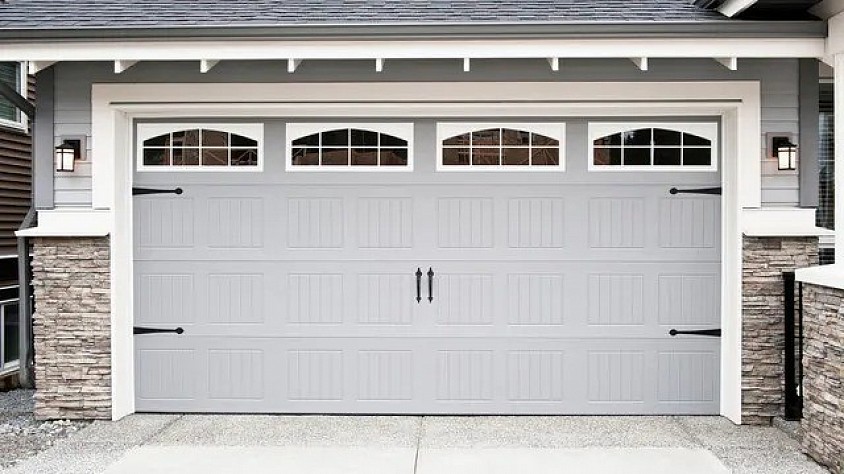
Selecting, Securing, and Sustaining a Reliable Garage Door for North Texas Properties
Understanding the garage door market helps property owners make choices that boost curb appeal, safety, and day‑to‑day convenience. From material selection and insulation to hardware, openers, and maintenance, suppliers guide buyers through specifications that matter in North Texas heat, storms, and seasonal swings.
Choosing the Right Door Material
Steel, wood, and composite doors each serve different priorities. Steel suits households seeking durable, low‑maintenance panels with a broad range of styles. Wood offers natural warmth and character, favored in architectural districts or custom builds, but it requires periodic refinishing. Composites mimic the look of wood with greater weather resistance and less upkeep. Aluminum and glass options appeal to modern designs and light‑filled spaces, often used in mixed‑use or commercial settings. A reputable supplier will help balance appearance goals, climate demands, and budget without sacrificing structural integrity.
Insulation and Energy Considerations
Insulation improves comfort, noise control, and temperature stability in garages used as workshops, gyms, or storage. Double‑ or triple‑layer constructions reduce heat transfer and dampen street noise—valuable near high‑traffic corridors. Weather seals around jambs and thresholds prevent drafts and pests. Pairing insulated doors with a properly sized opener ensures smoother operation, particularly on larger doors where weight and balance demand precision.
Hardware, Springs, and Safety
Torsion springs, cables, rollers, and tracks carry the system’s workload. Precision alignment prevents premature wear and reduces strain on the opener. Safety considerations include pinch‑resistant panel designs, tamper‑resistant brackets, and proper spring containment. Photo eyes and auto‑reverse functions are essential, especially in homes with kids or pets. Reliable suppliers emphasize compliant safety features and recommend periodic checks to keep doors operating within manufacturer guidelines.
Smart Tech and Security
Modern openers integrate with apps, vehicle systems, and smart home hubs for real‑time alerts and remote access. Battery backup offers peace of mind during outages. For security, consider rolling‑code technology, secure Wi‑Fi protocols, and reinforced lock hardware. Commercial properties benefit from keypad partitioning, audit logs, and scheduled access windows to separate customer, employee, and delivery traffic.
When to Repair vs. Replace
Age, condition, and performance guide the decision. Use this quick framework:
1) Cosmetic only: Minor dents and scuffs often justify panel repair or paint.
2) Functional concerns: Noisy operation, slow lifting, or frequent resets suggest hardware refresh or opener replacement.
3) Safety issues: Frayed cables, weakened springs, or failed sensors call for immediate professional service.
4) Efficiency and style: If an older door lacks insulation or clashes with an exterior update, a full replacement can add value and comfort.
Care Tips Homeowners Can Handle
- Wipe and inspect weather seals for cracks or gaps.
- Clean photo eyes and confirm unobstructed sensor alignment.
- Tighten visible fasteners on hinges and brackets.
- Test balance and auto‑reverse monthly; consult a pro if movement is uneven.
- Keep tracks clean; avoid lubricating tracks themselves—use appropriate lubricant on hinges and rollers if recommended.
Working With a Local Supplier
Regional expertise matters. Wind, UV exposure, and dust can influence finish choices, spring cycles, and opener horsepower. A local supplier should provide detailed product specs, timelines, and maintenance guidance. Transparent consultations—covering materials, insulation, hardware, and accessory options—help prevent surprises after installation. For commercial applications, ask about high‑cycle hardware, dock integration, and rapid‑reset solutions to minimize downtime.
Lifecycle Planning
A garage door system serves as both an exterior statement and a moving machine. Planning for periodic tune‑ups, sensor checks, and opener updates preserves performance. If converting a garage to livable flex space, discuss insulation upgrades, perimeter sealing, and quiet‑drive openers with your supplier in advance.
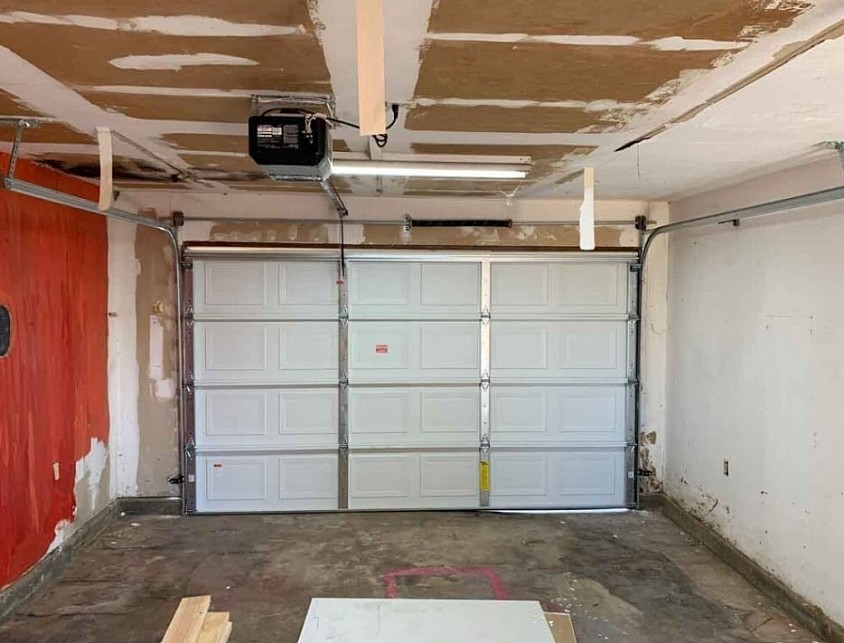
Trends Shaping Modern Garage Door Care and Installation
State of the Garage Door Industry
Homeowners expect more than just a working door; they want quiet performance, curb appeal, and dependable safety. Today’s Garage Door Repair and installation landscape is evolving fast, influenced by smart tech, durable materials, and energy-conscious design. From seasonal tune-ups to full Garage door installation, the industry continues to refine how it delivers value and peace of mind.
Smart Technology Is Now Standard
The rise of connected homes has brought app-controlled openers, camera-enabled units, and real-time status alerts into everyday life. These systems improve convenience while enhancing security with features like motion detection and remote lockout. When paired with professional Garage door services, these tools are set up correctly, calibrated for smooth travel, and updated with the latest firmware for long-term reliability.
Materials, Insulation, and Quiet Operation
Modern doors use advanced steel composites, natural wood veneers, or low-maintenance aluminum to balance style and strength. Insulated panels and improved weatherseals help stabilize indoor temperatures and quiet street noise. For many homeowners searching for Garage door repair near me, noise reduction and thermal performance are just as important as fixing a broken spring or misaligned track.
Safety and Compliance Remain Central
Photo-eye sensors, auto-reverse technology, and force settings are no longer optional extras. Technicians verify these protections during service visits and after Garage door installation. Springs and cables are tensioned to spec, and opener travel limits are tested to prevent binding or unintended movement. Whether you contact a local Garage door company for a tune-up or a replacement, documented safety checks should be part of every appointment.
Key Considerations Before You Book Service
1. Identify the symptom: Is the door noisy, uneven, or stuck? Noting details helps a technician prioritize Garage Door Repair steps and arrive with the right parts.
2. Check the opener: Dead remotes, weak batteries, or misaligned sensors can mimic major issues. A quick reset may restore operation until professional help arrives.
3. Look for wear: Frayed cables, rusty rollers, and cracked hinges signal it’s time for Garage door maintenance or component upgrades that prevent sudden failures.
4. Consider age and efficiency: An older, uninsulated door might justify replacement, especially if you want smoother operation or improved curb appeal through Garage door installation.
5. Ask about warranties: Clarify parts and labor coverage. A trustworthy Garage door company will explain what’s included and for how long.
6. Verify service readiness: Clear the garage entry, secure pets, and move vehicles so Garage door services can proceed safely and efficiently.
The Value of Preventive Maintenance
Routine attention is the most cost-effective way to extend system life. Lubricating rollers and hinges, tightening hardware, balancing the door, and testing safety systems helps prevent breakdowns. Proactive Garage door services catch small issues—like a weakening spring or failing roller—before they cause damage to tracks, panels, or the opener.
When Repair Gives Way to Replacement
There are times when a fix just isn’t the smartest route. Severe panel damage, chronic balance problems, or outdated openers without safety features may justify a new setup. A well-planned Garage door installation includes accurate measurements, proper track alignment, opener compatibility checks, and final calibration to ensure smooth, quiet travel. It also presents an opportunity to upgrade insulation, window designs, and finishes.
Finding Reliable Local Help
Search habits often start with phrases like Garage door repair near me because proximity matters when a door won’t open or close. Local availability, clear communication, transparent estimates, and strong customer reviews are hallmarks of professionals who put safety and quality first. Whether you need same-day fixes or a full design consult, a dependable Garage door company can assess your goals, outline options, and deliver lasting results.
In the end, careful product selection, professional workmanship, and consistent upkeep form the foundation of a secure, efficient garage—the kind that looks good on the outside and works flawlessly on the inside.
Trends and Best Practices Shaping Today’s Garage Door Industry
What Homeowners Should Know About Modern Garage Doors
Materials and Design Are Driving Curb Appeal
Garage doors have become a centerpiece of exterior design, with materials like insulated steel, faux wood composites, and aluminum-frame glass leading the way. These options balance durability, energy efficiency, and style. For households seeking quieter operation and better home comfort, insulated panels paired with weather seals can make a noticeable difference. At the same time, the market shows steady demand for carriage-house looks and minimal, contemporary lines. Whether planning Garage door installation for a new build or a replacement, material and design choices now play an integral role in property value and overall aesthetics.
Safety and Reliability Remain Non-Negotiable
While design gets attention, safety is the bedrock of every system. Photo-eye sensors, auto-reverse technology, and pinch-resistant panels are standard features that protect families and pets. Torsion springs and cables carry heavy loads and should only be serviced by trained technicians. Routine garage door maintenance helps catch fraying cables, misaligned tracks, and weakening springs before they cause downtime. When issues arise, prompt Garage Door Repair prevents small problems from turning into costly component failures.
Smart Technology Is Now an Everyday Expectation
Wi‑Fi–enabled garage door opener installation allows remote monitoring, scheduling, and secure deliveries. Integration with home assistants and geofencing enhances convenience while activity logs add peace of mind. Battery backup systems are increasingly common, keeping doors operable during outages. For many homeowners, an upgraded opener is the fastest path to modernizing access control without changing the door itself. Pairing a smart opener with professional setup ensures smooth performance and long-term reliability.
Choosing the Right Partner for Long-Term Value
Finding the right Garage door company can be the difference between steady performance and recurring headaches. Look for a team that offers comprehensive Garage door services, including garage door repair services, garage door installation services, garage door spring repair, and ongoing maintenance. Local knowledge matters, and many homeowners start by asking neighbors or exploring options similar to Garage door repair near me to identify trusted pros who understand regional climate and building codes. Transparency, clear timelines, and quality parts are hallmarks of a dependable provider.
Maintenance Essentials Every Homeowner Should Prioritize
Consistent care reduces noise, extends component life, and preserves warranties. A well-planned routine can be simple and cost-effective.
1) Test safety features: Check photo-eyes monthly and confirm the auto-reverse works properly.
2) Lubricate moving parts: Use a silicone-based lubricant on rollers, hinges, and springs as recommended.
3) Inspect balance: With the opener disconnected, lift the door halfway; if it won’t hold, a pro should adjust springs.
4) Tighten hardware: Vibration loosens brackets and track fasteners over time—retighten as needed.
5) Replace weather seals: Worn bottom seals and side jamb seals allow drafts, pests, and moisture to enter.
6) Clean tracks: Remove debris; avoid bending tracks or using harsh solvents.
7) Schedule tune-ups: Annual service helps catch wear on cables, rollers, and bearings before failure.
When to Repair vs. Replace
If panels are structurally sound and hardware has life left, targeted Garage Door Repair—such as replacing rollers, hinges, or a worn torsion spring—can restore smooth operation. Visible cracking, severe rust, repeated cable breaks, or motor strain may indicate it’s time for Garage door installation instead. A professional assessment weighs door age, insulation value, opener compatibility, and safety features to guide a smart decision. When weighing options, homeowners often explore services akin to Garage door services near me to compare timelines and parts availability.
Final Takeaways for Confident Ownership
A modern system should be safe, quiet, efficient, and secure. Smart openers elevate daily convenience, while regular garage door maintenance protects the investment. For service, seek a Garage door company with end-to-end capabilities—from repair garage door opener work to full-door replacements—so your system remains reliable year-round. Whether you’re planning a new install or searching for Garage door repair near me, prioritize expertise, quality components, and proactive care to keep your home accessible and protected.